How to Choose the Best Orthopedic Rehabilitation Equipment?
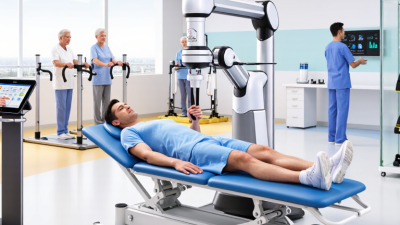
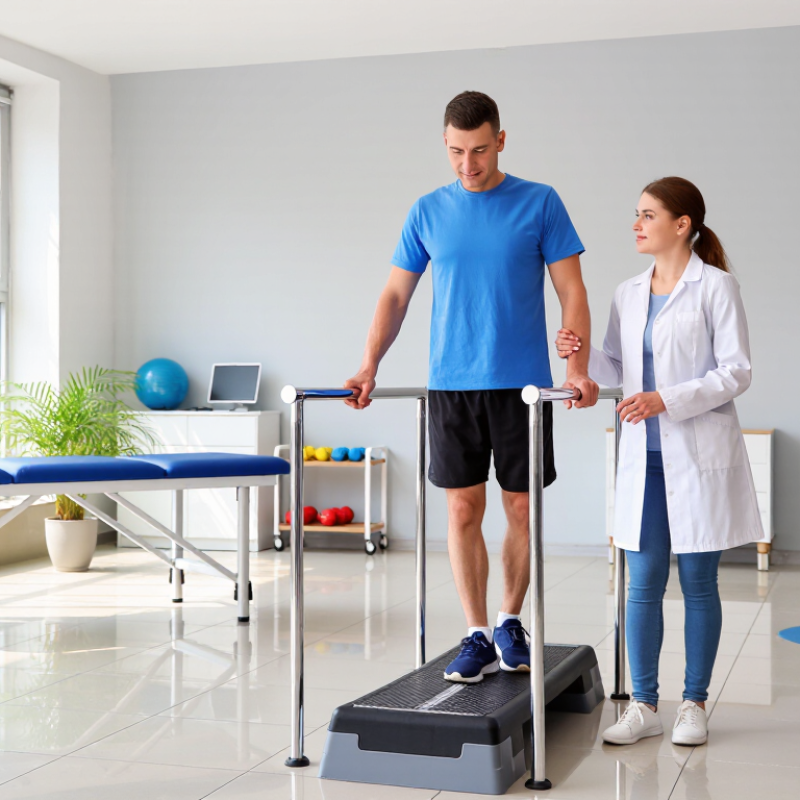
Choosing the best orthopedic rehabilitation equipment requires more than comparing prices, brands, or impressive features. The right choice begins with the patient’s diagnosis, mobility level, pain response, and recovery goals. A knee replacement patient may need a stable parallel bar, adjustable resistance bands, and a safe step platform. Someone recovering from a shoulder injury may require pulleys, light dumbbells, and controlled range-of-motion tools. Orthopedic Rehabilitation should support clinical judgment, not replace it.
Experienced therapists usually examine equipment stability, weight capacity, adjustability, hygiene, and ease of supervision. A well-designed treatment table should remain steady during transfers. Resistance equipment should provide gradual progression without sudden tension. Clear measurement markings can also help clinicians track small improvements, such as an extra five degrees of knee movement. Safety certifications and manufacturer documentation offer useful reassurance, but they are not complete proof of suitability. Product claims still need careful checking.
Real clinics reveal practical weaknesses. Some machines occupy too much space. Others are difficult to clean between appointments. A device may look advanced yet provide little value for a patient with poor balance. That matters. Equipment should fit the treatment environment, available staff, and patient confidence. Professional guidance from licensed therapists, rehabilitation specialists, and reputable medical suppliers can reduce avoidable mistakes. Even then, selection is not perfect. Patient progress may expose problems that were invisible during purchase. Regular review, maintenance, and honest feedback keep equipment useful, safe, and clinically relevant.
Define the Rehabilitation Goal and Patient’s Functional Needs
Choosing orthopedic rehabilitation equipment starts with the patient, not the catalogue. Define the functional target: standing from a chair, climbing stairs, restoring shoulder reach, or walking outdoors. WHO estimates that 2.4 billion people could benefit from rehabilitation (WHO, Rehabilitation 2030, 2023). That scale does not justify buying everything. It demands better matching.
Assess diagnosis, tissue-healing stage, pain irritability, balance, cognition, grip strength, and home layout. A walker for someone with weak hands may create risk, even when gait practice is appropriate. A resistance device may suit an athlete, but not a patient with unstable healing or poor movement control. The patient should demonstrate the task, not merely tolerate the machine. A neat checklist can still miss fear, fatigue, or a crowded hallway.
Record baseline measures, including the Timed Up and Go, joint range, pain score, and walking distance. CDC reports that more than three million older adults receive emergency care for fall injuries annually in the United States (CDC, 2024). Choose adjustable equipment with visible load limits, stable contact points, and simple cleaning requirements. Test it through a real transfer, a turn, and a short rest. Our first choice may be wrong. Reassess after two weeks; the device may preserve dependence instead of building capacity. That uncomfortable possibility deserves documentation.
How to Choose the Best Orthopedic Rehabilitation Equipment?
Define the rehabilitation goal and the patient’s functional needs.
Start with a validated functional assessment before selecting equipment. Balance-focused patients may need standing support and controlled weight-shifting practice, while patients with mobility or endurance limitations may benefit from gait training and progressive walking equipment. Upper-limb limitations require equipment that supports task-specific reaching and arm function. The scales shown use different scoring systems and should not be compared directly; use each patient’s result against the interpretation standards for that assessment.
Reference score ranges: Berg Balance Scale 0–56, Barthel Index 0–100, QuickDASH 0–100, and Functional Independence Measure 18–126. Higher scores generally indicate better function for the Berg, Barthel, and FIM, while a higher QuickDASH score indicates greater upper-limb disability.
Compare Safety, Adjustability, Comfort, and Ease of Use
Choosing orthopedic rehabilitation equipment requires more than checking weight limits or attractive features. In clinical practice, safety starts with stable frames, non-slip feet, smooth joints, and clearly marked adjustment points. Inspect welds, straps, handles, and locking pins before each session. A small crack or loose pin can change movement quality and increase injury risk. Equipment should support the patient without forcing a painful range. Ask a licensed rehabilitation professional to assess fit when pain, weakness, or balance problems are present.
Adjustability determines whether equipment follows the patient’s progress. Look for graduated resistance, seat heights, back angles, and limb supports that move in small, controlled steps. Large jumps can discourage recovery. Comfort also affects effort. Check whether padding supports the pelvis and spine, while contact surfaces remain breathable and easy to clean. During a trial, notice pressure behind the knees, rubbing at the ankles, or numbness in the hands. These details are easy to dismiss. They should not be.
Ease of use matters for home adherence. Controls should be readable, reachable, and simple enough for a tired user. Clear instructions should explain setup, cleaning, maintenance, and warning signs. Some users select advanced equipment, then abandon it because setup takes ten minutes. Simpler is often safer. Still, convenience can hide weak adjustability. Record posture, pain response, and confidence after several sessions, then reassess the choice. No device fits every body perfectly, and that limitation deserves honest attention.
Assess Equipment Quality, Space Requirements, and Maintenance
Choosing orthopedic rehabilitation equipment requires more than comparing prices or counting features. Quality affects patient safety, therapist control, and long-term treatment consistency. The WHO and UNICEF Global Report on Assistive Technology estimates that more than 2.5 billion people need assistive products worldwide. That demand makes reliable equipment essential. Inspect welded joints, upholstery seams, adjustment locks, weight ratings, and emergency-release mechanisms. Ask for independent test records, user manuals, and service documentation. A polished finish is not proof of engineering quality.
Space requirements deserve equal attention. Measure the room before ordering, including doorways, storage areas, and therapist walking paths. A treatment table may fit on paper but restrict transfers when a wheelchair, walker, or clinician stands nearby. Allow clear movement around moving parts. Check electrical outlets, floor strength, ventilation, and cleaning access. The WHO Medical Equipment Maintenance Programme recommends planned maintenance, inventory control, and trained personnel for dependable equipment performance. These details often receive less attention than purchase specifications.
Maintenance should be practical, scheduled, and documented. Keep inspection logs for cables, bolts, pulleys, batteries, and hydraulic systems. Follow the manufacturer’s maintenance intervals, but do not treat them as infallible. Local humidity, heavy use, and improper cleaning can shorten service life. The ISO 20957 series provides safety requirements for stationary training equipment, yet compliance does not remove the need for daily checks. In practice, staff may skip records during busy shifts. That weakness is worth admitting and correcting. Choose equipment that supports quick inspections and simple repairs, not just impressive demonstrations.
Verify Professional Guidance, Budget Fit, and Long-Term Value
How to Choose the Best Orthopedic Rehabilitation Equipment?
Choosing rehabilitation equipment should begin with professional guidance, not a quick online purchase. A licensed physiotherapist or orthopedic specialist can match equipment to movement limits, pain levels, and recovery goals. Ask for written instructions and safe-use boundaries. A device that feels helpful may still worsen swelling or joint strain when used incorrectly.
Budget matters, but the cheapest option can become expensive after repeated repairs or replacement parts. Compare the full cost, including delivery, maintenance, training, and storage. Check weight limits, adjustment ranges, surface stability, and cleaning requirements. A sturdy frame, clear controls, and replaceable parts often support better long-term value. Still, expensive does not always mean suitable. I have seen people buy advanced equipment that remained unused because it felt difficult or uncomfortable.
Tips:
Test the equipment before purchase when possible. Measure the available space. Confirm warranty terms and service support. Keep a simple record of usage, pain, swelling, and progress. This record helps professionals adjust the rehabilitation plan. Do not ignore small warning signs. If pain becomes sharper, movement worsens, or unusual swelling appears, pause and seek clinical advice. Personal judgment helps, but it has limits. Fitness goals, home conditions, and recovery speed differ greatly, so a practical choice may be less impressive but more useful every day.