2026 Top Trends in Medical Implants What You Need to Know
As the world progresses towards unprecedented technological advancements, the medical implants industry stands at the forefront of innovation. Dr. Emily Thompson, a leading expert in orthopedic implants, emphasizes, "The future of medical implants is about personalization and connectivity." This outlook reflects the growing trend of integrating advanced materials and smart technology into medical implants.
In 2026, several key trends are poised to reshape this industry. Biocompatible materials will continue to enhance the safety and longevity of implants. Alongside these advances, 3D printing is revolutionizing the way custom implants are created, promising better fit and functionality. Yet, there's a critical need to address the challenges in supply chain sustainability and patient accessibility.
Moreover, the field is seeing an increase in the use of artificial intelligence to predict implant performance and improve patient outcomes. While these trends hold great promise, they also raise questions about regulatory standards and long-term effects on health. Adjustments in these areas will be essential for the industry to maintain trust and reliability amid rapid changes. As we dive deeper into these topics, a thorough understanding of evolving medical implants will be vital for professionals and patients alike.
Overview of Medical Implants: Definition and Classification
Medical implants have revolutionized healthcare by providing solutions to a range of conditions. These devices are surgically inserted into the body to support or replace damaged biological structures. Common categories include orthopedic, dental, and cardiovascular implants. Each type serves a distinct purpose, enhancing patient quality of life and functionality.
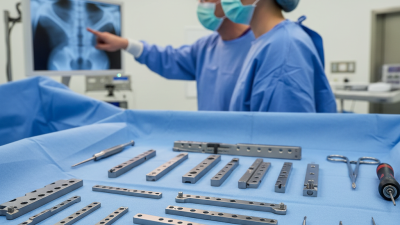
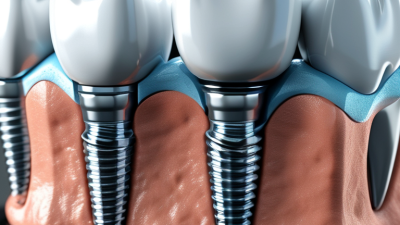
Orthopedic implants, for instance, include screws, plates, and artificial joints. They aid in repairing bones and restoring mobility. Dental implants replace lost teeth, improving aesthetics and function. Cardiovascular implants, like stents, ensure proper blood flow. These innovations are critical, yet not without challenges. Infection risk remains a concern, and the body’s rejection of implants can occur.
Understanding the classifications of medical implants can inform patients and healthcare providers alike. This knowledge not only aids in better decision-making but also empowers individuals to seek appropriate information. As technology evolves, it is vital to stay informed about new materials and techniques. There is much to learn, and the landscape is constantly changing. Engaging with ongoing research and clinical trials is essential to improve outcomes and safety in medical implant procedures.
2026 Top Trends in Medical Implants
| Implant Type |
Key Features |
Current Trends |
Future Outlook |
| Orthopedic Implants |
Bone plates, screws, and joint replacement devices |
3D printing and personalization |
Minimally invasive options and regenerative techniques |
| Dental Implants |
Titanium posts used to support dental crowns |
Digital dentistry and guided implant placement |
Smart implants with sensors for real-time monitoring |
| Cardiac Implants |
Pacemakers and defibrillators |
Wireless technology and remote monitoring |
Integration with mobile health applications |
| Ocular Implants |
Intraocular lenses and retinal implants |
Biocompatible materials and innovative designs |
Potential for vision restoration using neural interfaces |
| Neuroprosthetics |
Devices that connect to the nervous system |
Brain-computer interfaces and AI integration |
Advancements in control of prosthetic limbs |
Emerging Technologies in Medical Implants: Innovations for 2026
Emerging technologies in medical implants are set to transform healthcare by 2026. Advances include biocompatible materials, specialized
3D printing, and enhanced connectivity options. These innovations aim to improve patient outcomes and reduce complications associated with traditional implants.
Biocompatible materials play a crucial role in implant success. They are designed to minimize adverse reactions and enhance integration with human tissue. According to a recent report from Global Market Insights, the medical implant market is projected to reach $30 billion by 2026, driven by the increasing demand for safer, more effective solutions.
3D printing is changing the landscape of custom implants. It allows for personalized solutions tailored to individual patient anatomy. The precision of 3D printing can lead to rapid recovery times. However, the technology still faces challenges, such as regulatory hurdles and ensuring uniform quality across batches. Connectivity options, like IoT capabilities, are also on the rise. These advancements help clinicians monitor patient health in real time, though privacy concerns remain prevalent.
Patient-Centric Design: Enhancing Comfort and Usability in Implants
Patient-centric design in medical implants focuses on enhancing the comfort and usability for patients. According to recent studies, over 70% of patients report discomfort after implant surgery. This reveals a crucial gap in the design of medical devices, highlighting the need for reevaluation.
Current trends include customizable implants tailored to individual anatomy. This personalization aims to improve fit and functionality, ultimately increasing patient satisfaction. A survey by the Medical Device Innovation Consortium indicates that 65% of healthcare professionals believe a patient-centered approach leads to better outcomes. However, many implants still lack adequate adjustments for varied body types, suggesting a significant area for improvement.
Moreover, user-friendly interfaces in implant design are becoming vital. Professionals emphasize the importance of ease of use for both patients and healthcare providers. Reports show that improper usage can lead to complications in 30% of cases. Designers must address these usability issues. Balancing innovation with patient comfort remains a challenge in the evolving landscape of medical implants.
Regulatory Challenges and Safety Standards for Future Implants
The future of medical implants is promising but fraught with regulatory challenges. As technology advances, regulatory bodies adapt, struggling to keep pace with innovations. New materials and techniques pose safety concerns and necessitate tighter regulations. For instance, biocompatibility testing is crucial. It ensures implants interact safely with bodily tissues.
Regulatory agencies require extensive data before approving new implants. This process can be lengthy, delaying access to essential technologies. Despite innovation, the industry must prioritize patient safety. Adhering to safety standards is non-negotiable. Each implant must undergo rigorous testing to avoid complications.
Tip: Always stay updated on regulatory changes. Understanding these can aid in choosing the right implant. Engage with healthcare professionals familiar with the latest standards.
Continuous learning is vital. The landscape of medical implants evolves quickly, making it essential for practitioners to stay informed. Researching advancements can lead to better patient outcomes. The commitment to safety must remain unwavering in light of new technologies.
Market Trends and Forecasts: The Future of Medical Implants in Healthcare
The landscape of medical implants is evolving rapidly. Innovations in materials and technology are reshaping patient care. For instance, biocompatible materials are enhancing the integration of implants within the body. These advancements improve success rates but also present new challenges.
Experts predict a rise in personalized implants, tailored to individual patient needs. This approach can increase effectiveness and reduce recovery times. However, customization raises questions about standardization and regulation. Balancing innovation with safety is crucial.
Healthcare providers must adapt to these trends. Training and education are essential to equip professionals with the necessary skills. As the market grows, staying informed on emerging technologies will be key. Embracing change is vital, but it requires careful consideration and ongoing research.