2026 Top Implant Materials for Enhanced Dental and Medical Applications?
The landscape of dental and medical applications is evolving rapidly. A significant factor driving this change is the development of superior implant materials. These materials are crucial for the success and longevity of implants. The right choice can significantly impact patient outcomes.
Innovations in implant materials aim to enhance compatibility and durability. Biocompatibility ensures that the materials integrate well with human tissues. Researchers are exploring solutions that minimize rejection rates. There is also a focus on weight and strength, as lighter materials can improve comfort without compromising durability.
However, challenges remain. Not all materials work for every patient. Factors like allergies and specific medical conditions can affect the suitability of certain implants. Continuous research is needed to refine these products. Keeping abreast of the latest developments is essential for practitioners and patients alike. Enhanced implant materials hold promise but require careful consideration in their application.
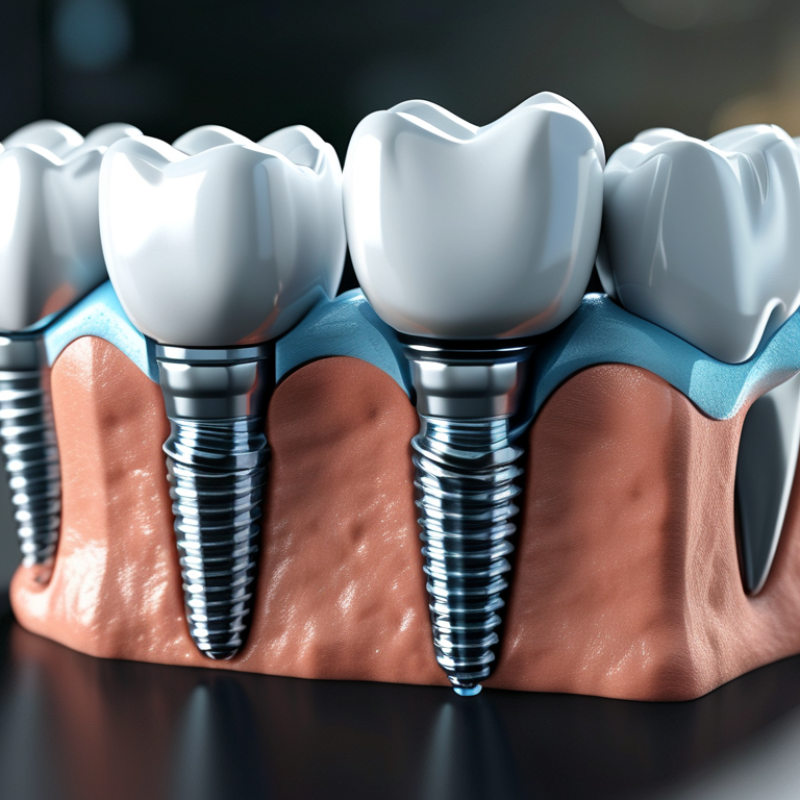
Advancements in Dental Implant Materials for 2026
The advancements in dental implant materials for 2026 highlight significant improvements in biocompatibility and strength. A recent report indicated that over 2 million dental implants are placed annually in the United States alone. This growing number underscores the demand for materials that enhance integration with bone and soft tissue. One promising material is zirconia, known for its excellent aesthetic qualities and low plaque affinity. Studies show that zirconia implants have a success rate comparable to titanium, particularly for patients with metal allergies.
Another trend is the development of bioactive glasses in implant technology. These glasses promote bone regeneration, with specific formulations accelerating osseointegration by up to 30%. While promising, challenges remain. Clinicians need to consider the mechanical properties of bioactive materials, which may not match traditional metals. This could affect their long-term stability under stress.
Moreover, the shift towards 3D printing in creating tailored implants is notable. Custom implants can improve surgical outcomes but come with questions about consistency and quality control. The industry is still working to establish standard regulatory guidelines for these innovations. As we approach 2026, ongoing research and development will be crucial to ensure these materials meet both clinical and patient needs.
Biocompatibility Considerations in Implant Design
Biocompatibility plays a crucial role in the design of implant materials for dental and medical applications. A report from the World Health Organization (WHO) indicates that up to 10% of patients experience adverse reactions to implants. This emphasizes the need for materials that minimize such risks. When selecting materials, factors like cellular interaction, inflammation response, and the long-term integration with human tissue must be considered. Titanium and its alloys are popular due to their excellent biocompatibility. However, researchers are continuously exploring alternatives, such as zirconia, which shows promising results in soft tissue integration.
Despite advancements, challenges remain in achieving optimal biocompatibility. For instance, surface roughness can significantly influence cell adhesion and proliferation. A study published in the Journal of Biomedical Materials Research shows that a rough surface can enhance bone integration but may worsen tissue response if not properly controlled. This highlights the complexity of material design, where achieving the desired balance remains a work in progress.
Additionally, the growing interest in biodegradable materials offers new avenues for research. Materials like polylactic acid (PLA) are being tested but often suffer from mechanical limitations. Although biodegradable options can reduce long-term complications, they need sufficient strength to endure daily stress. The future holds potential as researchers refine these materials, aiming for enhanced performance in real-world applications.
Emerging Synthetic Materials in Medical Applications
The landscape of synthetic materials in medical applications is rapidly evolving. Recent reports indicate a marked increase in the adoption of novel polymers and composites. These materials offer improved biocompatibility and mechanical properties, essential for applications in implants and prosthetics.
One promising area is the use of bioactive glass as an implant material. Studies show that bioactive glasses can bond with bone, promoting natural tissue growth. They have shown a 30% increase in osseointegration rates compared to traditional materials. However, challenges remain. The production processes can be complex, impacting cost and scalability.
In addition, nanoscale materials are gaining traction. Nanocomposites can enhance the mechanical strength of implants while maintaining a lightweight profile. This is crucial for long-term patient comfort. Yet, there are safety considerations. The long-term effects of exposure to nanoparticles in the human body are still under investigation. Continuous research is necessary to address these concerns and improve the reliability of these materials in clinical settings.
This bar chart illustrates the strength of various emerging synthetic materials used in dental and medical applications as of 2026. The materials presented include Titanium, Zirconia, Polyether ether ketone (PEEK), Bioglass, and Ceramics, showcasing their respective strengths measured in Megapascals (MPa).
Comparative Analysis of Traditional vs. Innovative Implant Materials
The choice of implant materials is critical in dental and medical fields. Traditional materials like titanium have been widely used due to their strength and biocompatibility. However, they come with limitations. Some patients experience allergic reactions or implant failure over time. These issues highlight the need for innovation in implant technology.
Emerging materials, such as zirconia and polymer blends, show promise. Zirconia offers excellent aesthetic appeal with its tooth-like color. It may also reduce the risk of rejection in some patients. Yet, it's not without flaws; its brittleness can lead to fractures under pressure. Continuous research is necessary to understand these newer options fully.
In contrast, 3D-printed implants are revolutionizing the field. They can be tailored to fit individual anatomies, enhancing functionality. However, their long-term effectiveness remains uncertain. The ongoing comparison between traditional and innovative materials reveals that each has its pros and cons. Understanding these intricacies is vital for advancing patient care.
2026 Top Implant Materials for Enhanced Dental and Medical Applications
| Material Type |
Application |
Biocompatibility |
Durability |
Cost Effectiveness |
| Titanium |
Dental Implants |
Excellent |
High |
Moderate |
| Zirconia |
Dental & Orthopedic Implants |
Excellent |
Medium |
High |
| Bioactive Glass |
Bone Regeneration |
Good |
Variable |
Moderate |
| Polyether Ether Ketone (PEEK) |
Spinal Implants |
Good |
High |
High |
| Collagen |
Soft Tissue Repair |
Very Good |
Low |
Low |
Future Trends Shaping the Implant Materials Market in Healthcare
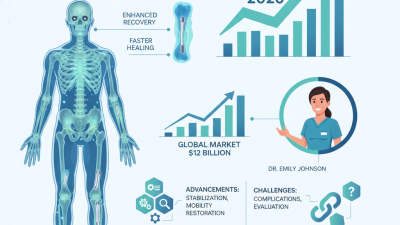
The future of implant materials in healthcare is evolving rapidly. According to expert reports, the global market for dental and medical implants is projected to reach $18 billion by 2026. This growth reflects advancements in materials technology and design, which aim to improve biocompatibility and patient outcomes. The trend towards titanium remains strong, but innovations in ceramics and polymer composites are gaining traction. These materials offer unique properties, such as reduced weight and increased strength.
Recent studies suggest that 3D printing is shaping the future landscape of implant materials. This technology allows for custom designs tailored to individual patient anatomy. A report highlights that by 2025, nearly 30% of implants may be produced via additive manufacturing methods. While the prospects are exciting, challenges persist. The regulatory landscape remains complex, and not all new materials receive rapid approval. Additionally, questions about long-term durability and integration into the human body linger.
As the industry progresses, the need for rigorous testing and validation increases. Researchers are investigating several innovative materials, but results vary. Some materials show promise in lab settings but fail in clinical applications. The focus on bioactive materials is rising, yet finding the right balance of properties is essential. The path forward involves not just innovation but also cautious evaluation of emerging technologies.