
High order volumes may cause minor processing delays

Search

How to Choose the Right Joint Prosthesis for Your Needs?

Choosing the right joint prosthesis can significantly impact your quality of life. According to the American Academy of Orthopaedic Surgeons, over 600,000 knee replacements and 400,000 hip replacements are performed annually in the United States alone. This data underscores the growing need for personalized solutions in joint replacement surgery.

When considering a joint prosthesis, multiple factors play a crucial role. Understanding your specific condition is key. For instance, the type of arthritis you have, your activity level, and age can influence prosthesis selection. The right prosthesis should not only alleviate pain but also restore function. Research indicates that systems tailored to individual anatomical needs have a higher success rate.

However, challenges remain. Surgeons must balance implant longevity with quality of life. Some prostheses may only endure 10-15 years under stress. Emerging technologies aim to address these concerns, yet, complications can occur. Patients should engage in open discussions with their healthcare providers. Being well-informed allows for better decision-making in selecting a joint prosthesis that meets your needs.
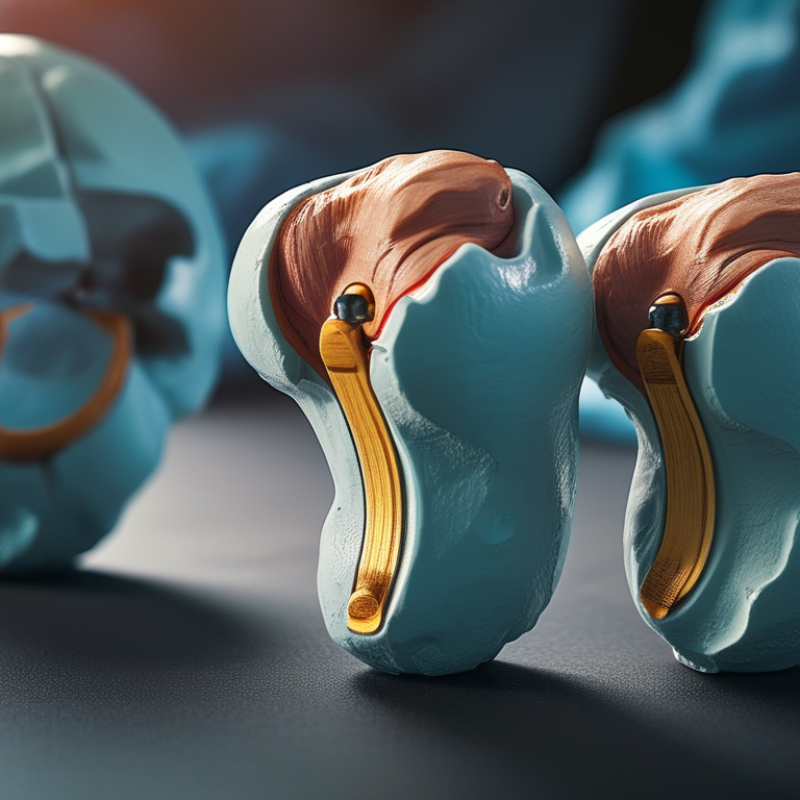
How to Choose the Right Joint Prosthesis for Your Needs?

Understanding Joint Prosthesis: Types and Materials

Choosing the right joint prosthesis can be daunting. Understanding the types and materials available is crucial. Joint prostheses can be made from various materials like metals, plastics, and ceramics. Each material offers unique benefits and drawbacks. Metals like titanium are strong and durable, while plastics can provide a more natural feel.

Tips: Consult with a specialist. A healthcare professional can guide you through the options. Ask about the longevity of different materials. Consider your lifestyle when making a choice.

Ceramics are often chosen for their low wear rates and biocompatibility. However, they can fracture under extreme stress. Balancing durability and comfort is essential. Some patients may require a combination of materials for the best outcome.

Tips: Research patient experiences with different prostheses. Real-life stories can offer insights that statistics may not provide. Don't overlook the importance of post-surgery rehabilitation. Recovery plays a significant role in the success of your joint prosthesis.

Assessing Your Medical Condition and Lifestyle Needs

When considering a joint prosthesis, it’s essential to assess your medical condition carefully. This includes understanding the severity of your joint damage. Factors such as age, weight, and overall health can all influence the choice of a prosthesis. For example, younger patients may need an implant designed for increased activity. In contrast, older patients may prioritize ease of recovery.

Lifestyle needs are equally important. Think about your daily activities. Do you engage in sports or physical labor? If so, a more durable prosthesis might be necessary. However, for those with a sedentary lifestyle, a simpler design could suffice. Discussing these details with your healthcare provider can clarify your requirements. It’s not easy to make these assessments, and sometimes people overlook vital factors, leading to regret later.

Documenting your concerns can also help in these discussions. Write down your daily routines, pain levels, and any limitations you experience. This information provides invaluable insight for your healthcare team. Reflecting on past experiences with joint issues can guide your choices. Making the right decision takes time and consideration, but acknowledging your needs is the first step toward a successful outcome.

How to Choose the Right Joint Prosthesis for Your Needs?

Prosthesis Type Material Weight Limit (lbs) Activity Level Suitability Lifespan (Years)
Total Knee Replacement Titanium/Polyethylene 300 Moderate to High 15-20
Hip Prosthesis Ceramic/Titanium 350 High 15-25
Shoulder Replacement Cobalt-Chromium/Polyethylene 250 Moderate 10-20
Ankle Replacement Titanium/Plastic 250 Moderate 10-15

Consulting with Healthcare Professionals for Guidance

Selecting the appropriate joint prosthesis can be overwhelming. Consulting healthcare professionals is crucial in making an informed choice. These experts bring significant experience to the table, helping patients navigate their options based on individual needs. Studies show that over 80% of successful prosthetic surgeries stem from thorough patient-provider discussions.

Healthcare professionals often consider various factors, like age, activity level, and overall health. For instance, the American Academy of Orthopaedic Surgeons states that younger patients may prefer prostheses that support a more active lifestyle. Not every prosthesis suits every person. A tailored approach is essential for optimal outcomes.

A lack of communication can lead to dissatisfaction and complications post-surgery. Patients sometimes overlook the importance of discussing their lifestyle and goals. This oversight can result in choosing a prosthesis that doesn’t align with their needs. Regular follow-ups with healthcare providers can address these concerns effectively. Experts advocate for ongoing dialogue throughout the recovery process to encourage adjustments if necessary.

Joint Prosthesis Types and Their Popularity

Evaluating the Durability and Lifespan of Prostheses

Choosing the right joint prosthesis involves understanding the durability and lifespan of materials used. Most joint prostheses are designed to last 10 to 20 years, depending on the type and patient activity level. A study by the American Academy of Orthopaedic Surgeons indicates that approximately 90% of hip and knee replacements are still functional after 10 years. This highlights the importance of selecting a prosthesis tailored to your lifestyle.

When evaluating options, consider your weight and activity level. High-impact activities can accelerate wear on a prosthesis. Inactive patients may experience longer longevity with their implants. The materials used also play a crucial role. For instance, ceramic and polyethylene components can exhibit different wear rates. High-quality materials can significantly extend the lifespan.

Tip: Discuss activity expectations with your surgeon. Tailoring a prosthesis to fit your needs can optimize its durability. Remember, not all prostheses are equal. Personalized choices are vital. Reflect on what limits your mobility now. This can influence your prosthetic selection greatly.

Tip: Regular check-ups are essential. They can help detect wear early and prolong the life of your prosthesis. Engage in conversations with your healthcare team to stay informed. This proactive approach ensures better outcomes. Your prosthesis is a long-term investment; treat it as such.

Considering Post-Operative Care and Rehabilitation Requirements

Choosing the right joint prosthesis is crucial for your long-term health. Post-operative care and rehabilitation play an essential role in your recovery journey. After surgery, focus on managing pain and preventing complications. Your body needs time to adjust to the new joint. Be patient and listen to your healthcare provider’s advice.

Tips:
Engage in gentle movements early on. This helps promote circulation. Gradually increase your activity to regain strength. Counseling may be necessary for emotional support during this time.

Rehabilitation requires commitment. You might face challenges during physical therapy sessions. Some days will be more difficult than others. Remember to track your progress, even if it feels slow. Small improvements can be significant. Speak openly with your therapist about your struggles. They can tailor your program based on your needs.

Ultimately, the road to recovery is unique for each individual. Embrace the journey and reflect on your experiences. Understanding that setbacks can occur is vital. They are part of the healing process. Focus on your goals, and be flexible with your plans.

Back to Top
Product has been added to your cart