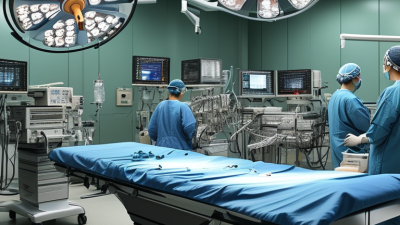
Minimally Invasive Surgery refers to techniques that reach an area of the body through small incisions or natural openings. Instead of making one large cut, a surgeon may use a slender camera and specialized instruments. In laparoscopic surgery, for example, the camera sends images to a monitor while instruments work through nearby openings. The surgical team watches those images and guides each movement with care.
The approach can mean smaller scars, less tissue disruption, and a shorter recovery for some patients. But these outcomes are not guaranteed. The benefits and risks depend on the procedure, the patient’s health, and the surgeon’s judgment. Some operations still require a larger incision, or a change in plan if visibility or safety becomes a concern. That can happen.
The phrase can sound reassuring, perhaps too reassuring. “Minimally invasive” does not mean minor surgery, no pain, or no complications. Patients may still need anesthesia, careful wound care, and time away from normal activities. A clinician can explain which technique is suitable, what recovery may involve, and what warning signs to watch for. Understanding how the tools enter the body—and what they allow the surgeon to see—makes the process less mysterious. It also helps patients ask more useful questions before making a decision.
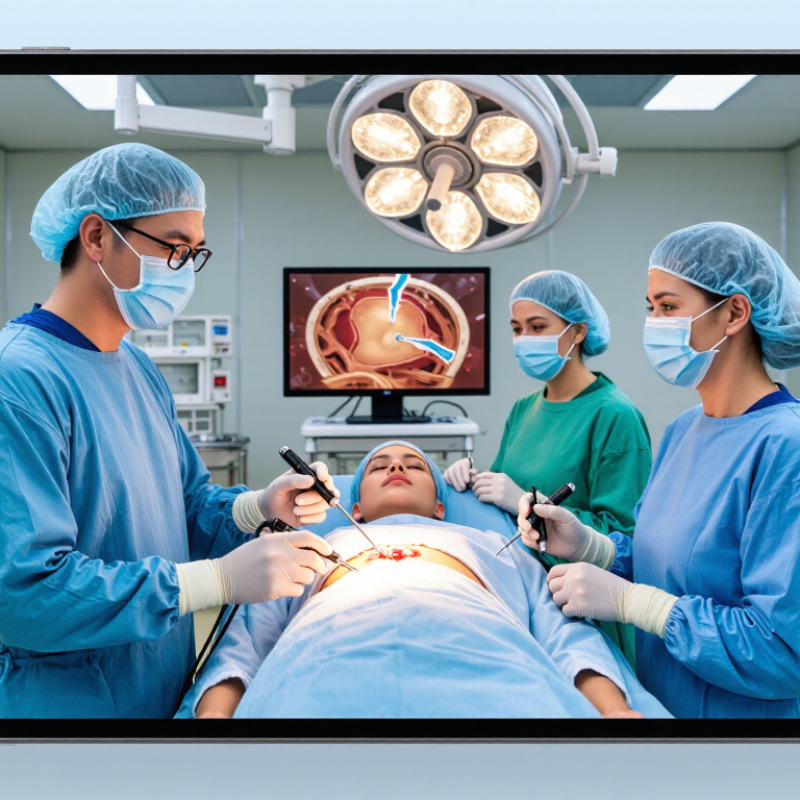
Minimally invasive surgery (MIS) is an approach that lets surgeons operate through small incisions or natural body openings. It is not one specific procedure. The term describes how an operation is performed, rather than what condition it treats. Compared with open surgery, MIS usually involves less disruption to surrounding tissue, though results vary by procedure and patient.
Core principles include careful access, clear visualization, and controlled movement. A tiny camera may send images to a monitor, while slender instruments work through small openings. In some procedures, the surgeon guides instruments using a computer-assisted system. The goal is precision. Smaller incisions may mean less pain or a shorter recovery for some patients, but MIS is not automatically safer or suitable for everyone. Recovery varies.
Tips: Ask your surgeon why this approach fits your specific condition, and what alternatives exist. Share your medications, health history, and concerns before surgery. Do not assume that a smaller incision guarantees an easier recovery.
Minimally invasive surgery uses small incisions or natural body openings to reach an area inside the body. A thin camera sends images to a screen, while long instruments do the surgical work. In laparoscopy, surgeons place narrow instruments through small abdominal incisions. Endoscopic procedures pass a flexible camera through openings such as the mouth. Robotic-assisted systems can help control instruments, but a trained surgeon remains in charge.
The access route depends on the condition, the body area, and the patient’s health. Some procedures use several small “ports”; others need one incision or an endoscope. The team may inflate the abdomen with gas during certain laparoscopic operations, creating room to see and work. Not every operation has a minimally invasive option, and smaller incisions do not guarantee less pain or a faster recovery. The term can sound simpler than the operation really is.
Tips: Ask which route is planned and why it suits your case. Find out what could require a larger incision, and how recovery may differ. Bring up medicines, past surgeries, and concerns before the procedure. Small details matter.
A minimally invasive operation usually begins with anesthesia and careful positioning. The surgeon makes small incisions, then inserts a camera and slender instruments through narrow tubes. On a monitor, the camera displays a magnified view of the surgical area. In abdominal procedures, carbon dioxide may gently inflate the abdomen to create working space. The surgeon operates while watching the screen, then removes the instruments and closes the incisions. Not every operation follows this exact sequence. Some cases need a larger incision if visibility or safety becomes a concern.
Preparation matters as much as the instruments. Before surgery, the team reviews the planned procedure, imaging, allergies, and medication history. The World Health Organization’s 2009 study across eight hospitals reported that complications fell from 11.0% to 7.0% after a surgical safety checklist was introduced; deaths fell from 1.5% to 0.8% (Haynes et al., New England Journal of Medicine). These findings concern team safety checks, not a guaranteed benefit of minimally invasive surgery. A camera can improve the view, but it cannot make every case simple.
Tips: Ask which steps apply to your procedure, what might require a larger incision, and how recovery will be assessed. Follow your care team’s instructions about eating, medicines, and wound care. Details matter.
What Is Minimally Invasive Surgery and How Does It Work?
Imaging, Instruments, and Other Technologies Used
Minimally invasive surgery relies on small incisions, specialized instruments, and imaging that helps the surgical team see inside the body. A small camera may send a magnified view to a monitor, showing tissue, instruments, and movement in real time. Depending on the procedure, imaging may also help the team locate anatomy or guide an instrument. The exact setup varies. Not every operation uses the same tools.
Instruments are often long and narrow, allowing the surgeon to work through small openings. Some can grasp, cut, or seal tissue. The team watches the screen and adjusts movements carefully. It can feel less intuitive than direct viewing: a two-dimensional image may flatten depth, and camera angles can change what appears visible. Good results depend on training, planning, and the patient’s specific anatomy—not technology alone. Imaging also has limits, so the surgeon’s judgment remains essential.
Tips: Ask your care team which imaging and instruments the planned procedure uses, and why. Find out how the team will monitor your condition during surgery. If a screen-based view sounds unsettling, mention it; clear answers can help you understand what to expect.
Minimally invasive surgery uses small incisions and specialized instruments, often guided by a tiny camera. The surgeon watches the procedure on a screen while working inside the body. For some operations, this approach can mean smaller scars, less pain, and a shorter hospital stay. But outcomes vary. The method is not automatically safer or better for every patient.
Risks still include bleeding, infection, blood clots, and reactions to anesthesia. Nearby organs can also be injured, and a surgeon may need to switch to open surgery if visibility or access becomes difficult. Suitability depends on the condition being treated, overall health, past operations, and the surgical team’s experience. Ask how often the team performs the procedure and what recovery may involve. Details matter.
Tips: Ask about alternatives, likely benefits, and your personal risks. Find out who will perform the operation and when to seek help after discharge. Bring a list of medicines and health conditions to your consultation. A small incision can look reassuring, but it does not tell the whole story.