The global demand for high-quality implant materials is on the rise. In 2026, suppliers face significant challenges and opportunities in this sector. Choosing the right implant materials can drastically impact patient outcomes and recovery times.
Innovations are constantly reshaping the landscape. Material science is evolving, creating options that enhance biocompatibility and durability. Suppliers must stay informed about these advancements. The right choices can improve surgical success rates and reduce complications. Yet, this dynamic market requires careful consideration.
Some materials may perform well but come with drawbacks or unknown long-term effects. Suppliers must weigh these risks against benefits. Understanding the nuances of implant materials is critical. It is a complex decision that can affect manufacturers and healthcare providers alike. As the industry moves forward, staying ahead demands both knowledge and reflection.
The global implant materials market is projected to witness significant growth by 2026. Key materials such as titanium alloys and bioactive ceramics are gaining attention. According to a recent market analysis, titanium accounts for more than 35% of the implant materials market share. Its excellent biocompatibility and strength make it a preferred choice among manufacturers.
However, the popularity of polymers, such as polyether ether ketone (PEEK), is on the rise. Reports indicate that PEEK is seeing an annual growth rate of about 10%. This is due to its favorable mechanical properties and lightweight design. While PEEK's thermal stability and resistance to wear are beneficial, its long-term integration in the body still requires further research.
Cost considerations impact material selection. High-end materials often lead to increased production costs. This can limit accessibility in various regions. Emerging economies are looking for cost-effective alternatives. Striking a balance between performance and price is essential for suppliers. Future developments in composite materials might offer innovative solutions that meet both quality and affordability criteria.
The selection of implant materials in 2026 focuses on key features that enhance performance and reliability. Titanium continues to be a top choice due to its excellent biocompatibility and strength. It integrates well with bone, promoting durable support. However, it can be prone to wear over time, which raises questions about long-term performance.
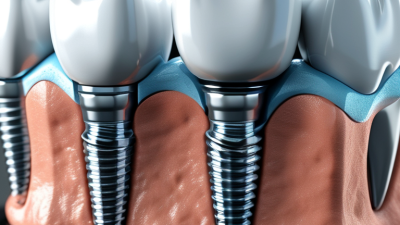
Ceramic materials, such as zirconia, are gaining traction. They offer aesthetic advantages, especially for dental implants. Zirconia is less visible and resistant to corrosion. Yet, there are concerns regarding its fracture toughness. These materials need careful handling to prevent breakage during procedures.
Polymers are also noteworthy. They provide flexibility and can absorb stress well. This quality reduces the risk of implant failure. Despite this, polymers may lack the longevity of metals and ceramics. Continuous advancements are required to address these limitations. Each material presents unique benefits and challenges, making informed choices essential for optimal outcomes.
| Material Type | Key Features | Benefits | Application Areas |
|---|---|---|---|
| Titanium | High strength, corrosion resistant, biocompatible | Widely used in dental and orthopedic implants | Dental, Orthopedics |
| Zirconia | Ceramic material, high wear resistance, aesthetic | Provides natural tooth appearance, excellent biocompatibility | Dental, Maxillofacial Surgery |
| Polyethylene | Durable, low friction, lightweight | Used extensively in joint replacements | Orthopedics |
| Cobalt-Chrome | High strength, resistance to wear and corrosion | Excellent for load-bearing applications | Orthopedics, Dental |
| Glass Ionomer | Self-adhering, release fluoride, aesthetic | Improves bonding with tooth structure | Dental Restorations |
When selecting implant materials, biocompatibility is crucial. It directly affects healing and integration with the body. Materials must be evaluated for their interaction with human tissues. Biocompatible materials reduce the risk of rejection and inflammation. Research shows that titanium and polymers are popular choices. However, not all polymers display the same level of compatibility.
Tips: Always consider the long-term effects of the material on the body. Regularly review new studies on implant biocompatibility. Collaboration with specialists can enhance the selection process.
Different materials yield varying results regarding biocompatibility. Some materials may induce an immune response. It's vital to analyze how each material interacts with specific tissues. A deeper understanding can prevent complications in patients. Testing methodologies can differ, leading to inconsistent results.
Tips: Consult with your team about emerging materials. Stay updated on innovative biocompatible options. Evaluate the implications of every selection for better patient outcomes.
The field of implant materials is evolving rapidly as we approach 2026. Innovations in biocompatibility are changing the landscape. Suppliers need to monitor these emerging trends closely. Advances in polymers and ceramics are noteworthy. These materials offer improved integration with human tissue. They also reduce rejection rates significantly.
Another key focus is on sustainable materials. Eco-friendly alternatives are gaining popularity. However, the challenge lies in balancing sustainability with performance. Some options may lack durability. This is an area that requires further exploration. Suppliers should investigate these advancements but remain cautious.
Research into nanoparticles is also trending. These tiny particles can enhance the properties of existing materials. This can lead to stronger, lighter implants. However, the implications of long-term use are still unclear. More studies are needed to ensure patient safety. Suppliers should prioritize research-backed options while remaining open to innovation.
When selecting materials for implant manufacturing, suppliers face many considerations. Choosing the right materials affects the implant's longevity and patient outcomes. The characteristics of the material, such as biocompatibility and mechanical properties, are vital. These elements influence how well the implant integrates with the body. Suppliers should also consider the manufacturing processes involved. Different materials may require unique machining or fabrication techniques, which can complicate production.
**Tip:** Always evaluate the supplier's experience with specific materials. Their track record can illuminate potential challenges and lead to better decision-making.
Another factor is cost-effectiveness. While high-quality materials are essential, suppliers must balance quality with affordability. An expensive material may not be justifiable if it does not provide clear benefits over alternatives. Sometimes, suppliers compromise on aspects that affect delivery times or batch quality. This can lead to issues down the line.
**Tip:** Regularly assess the performance of selected materials in real-world applications. Feedback from practitioners can guide future selections and adaptations.