
What Are the Top Orthopedic Care Products for Buyers?
Choosing the right Orthopedic Care products requires more than comparing prices or counting online reviews. The World Health Organization reported that musculoskeletal conditions affect approximately 1.71 billion people worldwide. These conditions include back pain, osteoarthritis, fractures, and work-related injuries. The CDC’s 2023 National Health Interview Survey also found that about one in four U.S. adults experienced chronic pain. Demand is substantial. Buyer judgment still matters.
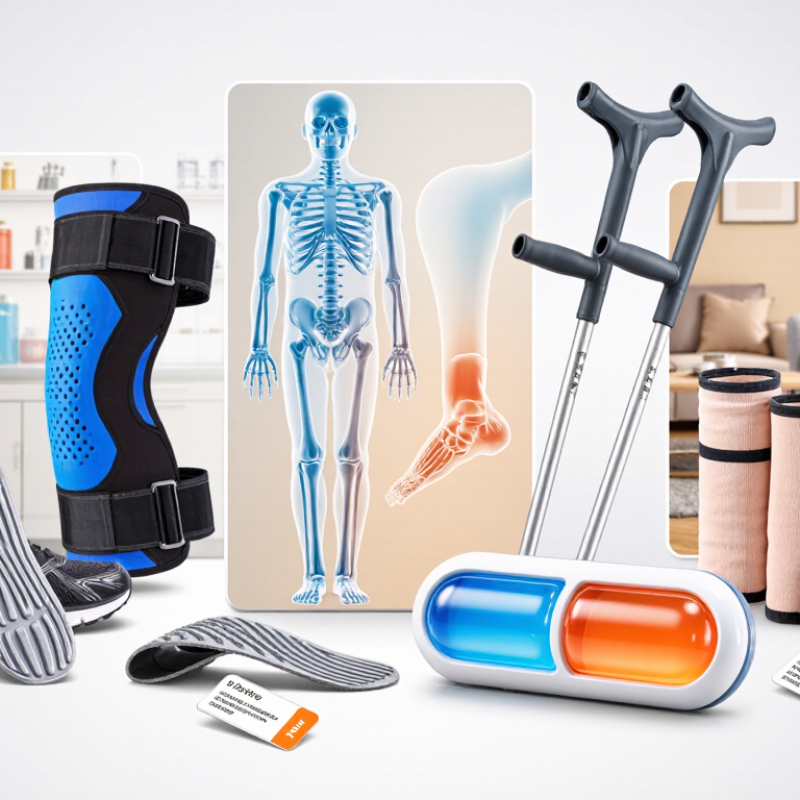
The strongest product categories include adjustable braces, arch-support orthotics, compression sleeves, mobility aids, and hot-and-cold therapy systems. A knee brace should stabilize movement without causing numbness. An ankle support should fit firmly, yet allow normal circulation. Materials, sizing accuracy, cleaning instructions, and return policies deserve careful review. FDA-cleared status may matter for certain medical devices, but clearance does not guarantee comfort or suitability.
Sir John Charnley, a pioneer of modern hip replacement, offered a patient-centered reminder: “The secret of total hip replacement is to forget about the operation and concentrate on the patient.” His principle also applies to everyday orthopedic purchases. Comfort, function, and safe use should guide decisions. Not branding alone.
Reports from Grand View Research indicate continued growth in the global orthopedic devices market, driven by aging populations and rising musculoskeletal conditions. Yet market growth can encourage exaggerated claims. Some ratings are inflated. That possibility deserves attention. Buyers should compare clinical guidance, product specifications, and real-world fit. A physiotherapist or orthopedic clinician can identify when a simple support is reasonable, or when pain requires professional evaluation. No product fits every body. That assumption can fail.
What Are Orthopedic Care Products and Who Uses Them?
Orthopedic care products are tools that support bones, joints, muscles, and movement. They include knee braces, wrist splints, ankle supports, spinal orthoses, walking aids, and recovery cushions. Some products stabilize an injured area. Others reduce pressure, improve alignment, or assist safe movement after surgery.
Different people use them for different reasons. An athlete may wear a brace after a ligament injury. An older adult may use a walker when balance becomes uncertain. Office workers sometimes need wrist support for repetitive strain. Patients recovering from fractures or joint procedures may require prescribed orthoses. Caregivers also use transfer aids to reduce lifting injuries.
Fit matters greatly. A knee brace that slips can create new pressure points. A walking aid set too high may disturb posture. Users should check skin color, numbness, swelling, and unusual pain during use. These signs deserve professional attention. A product should support a treatment plan, not replace an examination or rehabilitation program.
Quality buyers should review sizing instructions, material safety, adjustment options, cleaning needs, and intended use. Professional assessment is especially important after surgery or serious injury. It is easy to assume that more support is always better. It is not. Excessive restriction may weaken movement confidence or delay normal activity. Personal comfort helps, but comfort alone does not prove correct fit.
What Are the Top Orthopedic Care Products for Buyers? - What Are Orthopedic Care Products and Who Uses Them?
| Orthopedic Care Product | Primary Body Area | Typical Users | Main Purpose | Common Materials or Features | Typical Use Setting | Important Buyer Considerations |
|---|---|---|---|---|---|---|
| Knee Brace | Knee | People with knee instability, arthritis-related discomfort, or sports injuries | Support and stabilization | Neoprene, elastic textiles, adjustable straps, hinges, or patellar openings | Daily activities, rehabilitation, exercise, and sports | Choose the brace type according to the condition; correct sizing and unrestricted circulation are essential. |
| Ankle Support or Ankle Brace | Ankle and foot | People recovering from sprains, ligament injuries, or ankle instability | Motion control and protection | Elastic compression fabric, lace-up construction, stabilizing straps, or rigid side panels | Walking, work, rehabilitation, and athletic activity | Consider the level of restriction, shoe compatibility, swelling, and whether the product fits the injured side. |
| Wrist Support or Wrist Splint | Wrist and hand | People with wrist strain, repetitive-use discomfort, or post-injury needs | Positioning and support | Breathable fabric, removable metal or plastic stays, thumb openings, and adjustable closures | Work, rest, daily activities, and rehabilitation | Check whether the design supports the wrist while allowing the required finger and thumb movement. |
| Elbow Support | Elbow and forearm | People with overuse symptoms, joint discomfort, or sports-related strain | Compression and load management | Elastic knit, compression zones, straps, padding, or counterforce bands | Work, household tasks, exercise, and sports | Measure the forearm or elbow as specified; excessive compression may cause discomfort or numbness. |
| Back Support Belt | Lower back and lumbar region | Adults who need temporary lumbar support during selected activities | Lumbar support and posture assistance | Elastic panels, adjustable fasteners, lumbar pads, and flexible stays | Manual tasks, travel, standing, and short-term activity support | It should complement safe movement rather than replace clinical evaluation or core-strengthening guidance. |
| Cervical Collar | Neck | People requiring temporary neck immobilization when directed by a clinician | Neck positioning and movement limitation | Foam padding, plastic support structure, breathable covers, and adjustable closures | Short-term recovery or supervised care | Fit must be clinically appropriate; prolonged or unsupervised use may be unsuitable for some conditions. |
| Orthotic Insoles | Foot arch, heel, and sole | People with foot fatigue, arch-support needs, or selected lower-limb alignment concerns | Foot support and pressure distribution | Foam, gel, thermoplastic materials, heel cups, and contoured arch supports | Walking, standing, work, and everyday footwear | Verify shoe volume, arch height, trimming instructions, and gradual break-in requirements. |
| Compression Stockings | Lower leg and leg veins | People with leg swelling or circulation-related needs when compression is appropriate | Graduated compression | Elastic knitted fabric with tighter compression at the ankle that gradually decreases upward | Travel, work, daily wear, and selected medical applications | Compression level should be selected carefully, especially for people with arterial circulation problems or diabetes. |
| Walking Cane | Hand, wrist, hip, knee, and lower limb | People needing light balance assistance or partial weight support | Balance and mobility assistance | Adjustable shaft, ergonomic handle, rubber tip, and lightweight metal construction | Indoor and outdoor walking | Handle height should allow a slight elbow bend; users should receive instruction on the correct side and technique. |
| Crutches | Arms, shoulders, and lower limbs | People temporarily unable to place full weight on one or both legs | Weight transfer and mobility | Adjustable aluminum or composite frame, padded hand grips, and replaceable rubber tips | Post-injury recovery and short-term mobility | Correct height, hand-grip position, stair technique, and professional instruction reduce the risk of falls. |
| Walker or Rollator | Lower limbs, trunk, and upper limbs | Older adults or people with reduced balance, strength, or walking endurance | Stability and supported mobility | Aluminum frame, hand brakes, wheels, rubber feet, seat, and storage basket depending on design | Home, community, shopping, and rehabilitation | Check frame width, brake operation, wheel design, user height, and home flooring conditions. |
| Shoulder Immobilizer or Sling | Shoulder, arm, and elbow | People recovering from selected shoulder, arm, or collarbone injuries | Arm support and movement limitation | Adjustable fabric pouch, shoulder strap, thumb loop, and padded contact areas | Short-term injury recovery and supervised rehabilitation | Use only as directed when immobilization is required; monitor skin comfort, hand color, and finger movement. |
| Cold Therapy Pack | Joints and soft tissues | People managing temporary swelling or discomfort after minor injury or exercise | Cooling and swelling management | Reusable gel pack, flexible cold pack, protective fabric cover, and adjustable wrap | Home care, sports recovery, and post-activity use | Use a fabric barrier and follow recommended application intervals; avoid applying directly to damaged skin. |
| Posture Support | Upper back and shoulders | People seeking posture reminders during desk work or selected daily activities | Postural awareness | Lightweight elastic straps, breathable fabric, and adjustable closures | Office work, study, and short periods of daily use | It should provide a reminder rather than force painful positioning or replace ergonomic adjustments. |
Note: Orthopedic care products vary in design and level of support. Buyers should follow product instructions and seek advice from a qualified healthcare professional when symptoms are severe, persistent, or associated with injury, numbness, weakness, or poor circulation.
Related Posts
-

What Are the 2026 Top Orthopedic Research Trends?
-

Why Choose Orthopedic Solutions for Global Healthcare?
-

How to Choose the Best Orthopedic Solutions for Your Needs?
-
China Best Bone Fracture Treatment Options for Effective Recovery?
-

2026 Top Orthopedic Research Trends Buyers Need to Know?
-

10 Essential Tips for Optimal Orthopedic Care You Should Know?