10 Tips for Choosing the Right Joint Prosthesis
Choosing the right Joint Prosthesis is a clinical decision, not a catalogue exercise. The implant must fit the patient, not merely the X-ray. Age, bone quality, activity level, anatomy, allergies, surgical approach, and revision risk all deserve careful review.
The American Joint Replacement Registry’s 2024 Annual Report tracks millions of hip and knee arthroplasty procedures. Its long-term data shows why implant selection should include survivorship, revision patterns, and patient outcomes. The UK National Joint Registry’s 21st Annual Report also highlights the value of national monitoring. Familiar brands can still produce disappointing results. A polished brochure is not clinical evidence.
John Charnley, the pioneer of modern total hip replacement, is widely associated with this principle: “The most important factor in total hip replacement is not the operation, but the rehabilitation.” His observation remains relevant. Recovery depends on implant stability, surgical precision, patient health, and realistic rehabilitation planning. The best choice is rarely universal.
These ten practical tips examine material, fixation, bearing surfaces, implant design, surgical compatibility, registry evidence, surgeon experience, expected lifespan, costs, and follow-up care. They also encourage questions patients sometimes avoid, such as what happens after failure. That question matters.
No device lasts forever. Good decisions accept uncertainty. They compare measurable evidence with individual needs, while respecting informed consent and shared decision-making. A Joint Prosthesis should support movement, reduce pain, and serve the patient’s future—not only the day of surgery.
Understanding Joint Prosthesis Types and Their Intended Uses
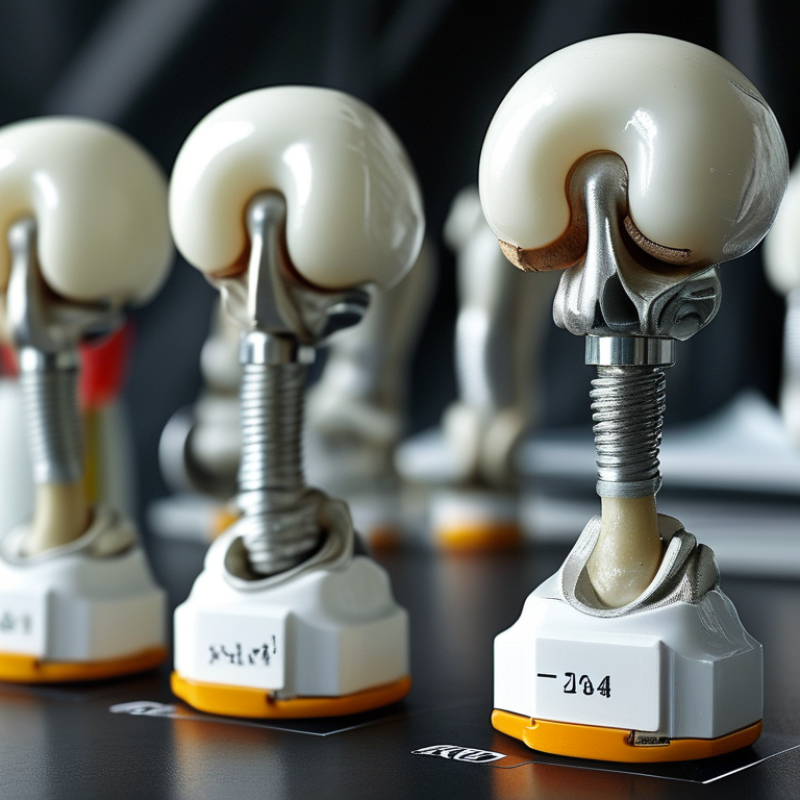
Joint prostheses are not interchangeable parts. A total hip replacement replaces the ball and socket, while a partial knee implant preserves healthy compartments. Shoulder systems may be anatomical or reverse, depending on tendon function and fracture patterns. Fixation can be cemented, uncemented, or hybrid. Each choice serves a different anatomy, activity level, and surgical goal.
Tip: Confirm which joint needs replacement. Tip: Ask whether a partial implant is realistic. Tip: Discuss bone quality before choosing fixation. Tip: Review bearing materials, including ceramic, metal, and polyethylene. The American Joint Replacement Registry’s 2023 Annual Report included more than three million hip and knee procedures. That scale supports comparison, not personal prediction. Registry outcomes still vary with age, diagnosis, surgical technique, and rehabilitation.
Tip: Ask how long the selected design has been studied. Tip: Request revision rates for patients with similar profiles. Tip: Consider future activity, not only current pain. Tip: Clarify whether implant alignment affects wear. Tip: Ask what happens if revision surgery becomes necessary. Tip: Bring medical imaging and a complete medication list. Tip: Seek a second specialist opinion when the recommendation feels unclear. A National Joint Registry report shows that revision risk differs across joints, fixation methods, and patient groups. I would not treat any average as a promise. Even experienced teams can face stiffness, infection, instability, or unexpected bone loss. The right prosthesis is usually the one that fits the patient’s anatomy and intended use, not the most advanced-looking option.
Assessing Patient Needs, Anatomy, and Daily Activity Levels
10 Tips for Choosing the Right Joint Prosthesis
Assessing Patient Needs, Anatomy, and Daily Activity Levels
Choosing a joint prosthesis begins with the patient, not the implant catalogue. A careful review should include age, bone quality, previous injuries, pain patterns, and general health. Imaging reveals anatomy, but it cannot describe every daily challenge. Ask how the patient walks, climbs stairs, works, sleeps, and exercises. Small details matter. A gardener may need different support than an office worker.
The surgeon should assess joint alignment, ligament stability, muscle strength, and available bone. Body weight and movement habits can also influence implant selection and rehabilitation demands. Discuss expected activity levels honestly. High-impact sports may increase stress on some prostheses, while gentle cycling or swimming may support long-term function. Surgical history deserves close attention. Scar tissue and earlier operations can change the plan. A second clinical opinion may be valuable when anatomy is complex.
No device fits every patient perfectly. That is an uncomfortable truth. Surgical experience, reliable clinical evidence, and the patient’s informed preferences should guide the decision. Ask about expected motion, recovery time, possible complications, and future treatment options. The best choice may involve compromise. A patient’s goals can also change during recovery, so the plan should allow realistic adjustment rather than promise a flawless result.
Comparing Implant Materials, Designs, and Surgical Compatibility
Choosing the right joint prosthesis requires more than comparing materials. Experienced orthopedic teams assess bone quality, joint anatomy, activity level, allergies, and expected implant longevity. Common options include cobalt-chromium, ceramic, titanium, and highly cross-linked polyethylene. Each offers different benefits and limitations. Ceramic may reduce wear, while metal can provide strong structural support. Material selection must match the joint, fixation method, and patient’s clinical needs.
Tip 1: Ask how the implant material performs under your daily movements. A warehouse worker and a retired swimmer may need different durability priorities. Tip 2: Compare implant designs carefully. Some designs preserve more bone, while others provide greater stability when ligaments or bone are compromised. Cemented and uncemented fixation also behave differently. Your surgeon should explain how bone growth, cement technique, and recovery plans affect the choice.
Surgical compatibility is equally important. The implant must fit available instruments, imaging requirements, and the surgeon’s proven technique. A theoretically excellent design may be unsuitable if positioning is difficult or revision options are limited. No prosthesis is perfect. Even strong evidence cannot predict every patient’s outcome. Ask about published clinical data, expected wear, possible complications, and the surgeon’s experience with similar anatomy. Reconsider vague promises. Clear answers matter more.
Reviewing Safety, Durability, Recovery, and Long-Term Outcomes
Choosing a joint prosthesis starts with safety, not advertising claims. Ask how the implant was tested, how complications are monitored, and which risks fit your health. A qualified orthopedic surgeon should explain infection, blood clots, nerve injury, loosening, and possible revision surgery. Your bone quality, age, activity level, and other conditions also influence the decision. One option cannot suit every patient.
Durability deserves careful attention. Request reliable follow-up data, preferably from independent registries or peer-reviewed studies. Ask how the prosthesis performs after ten, fifteen, or twenty years, not only after early recovery. Materials matter, but surgical technique and proper alignment matter too. Small errors can affect comfort and wear. That detail is often overlooked.
Recovery should be realistic and personal. Discuss pain control, physical therapy, walking aids, driving, work, and household support before surgery. A faster early recovery does not always predict better long-term function. Keep scheduled reviews, even when the joint feels normal. Report persistent swelling, fever, instability, or increasing pain promptly. I once underestimated how strongly daily habits influence outcomes; gradual strength training and weight management may protect function. Still, progress is rarely perfectly smooth. Ask for a second professional opinion when evidence feels unclear or expectations seem unusually high.
Making an Informed Choice with the Orthopedic Care Team
10 Tips for Choosing the Right Joint Prosthesis
Making an Informed Choice with the Orthopedic Care Team
Choosing a joint prosthesis should be a shared clinical decision, not a rushed purchase. Ask your orthopedic surgeon about implant materials, fixation methods, expected movement, and revision planning. Your age, bone quality, activity level, body weight, and medical history all matter. So does the joint’s condition.
The American Joint Replacement Registry’s 2023 Annual Report analyzed more than 3.2 million hip and knee procedures. Such large datasets help clinicians compare survivorship, complications, and revision patterns. Ask whether your proposed implant has reliable registry evidence. Request outcome data for patients with similar age, diagnosis, and activity goals. Ask how the hospital tracks infections, readmissions, and recovery. Numbers can guide you, but they cannot predict every individual result.
Bring a written question list. Discuss surgical approach, rehabilitation time, pain control, and warning signs. A physical therapist can explain whether your daily movements match the implant’s demands. Anesthesiology and nursing teams may identify risks that are easy to overlook. I would also ask about the surgeon’s experience with the procedure, without treating volume as the only measure of quality. More information is not always better. I once underestimated how confusing technical terms can feel during a stressful consultation. Ask the team to explain unfamiliar terms with a diagram, then repeat the plan in your own words. That small check can reveal gaps before surgery.