High order volumes may cause minor processing delays

Search

How to Choose the Best Bone Plates for Your Needs?

Choosing the right bone plates is crucial for successful orthopedic procedures. Dr. Sarah Thompson, a renowned orthopedic surgeon, emphasizes, "Selecting the right bone plates can significantly impact healing and recovery." This highlights the importance of understanding various factors involved in the decision-making process.

Bone plates come in different types, sizes, and materials, each designed for specific needs. Before making a choice, it's essential to evaluate your requirements. Consider the fracture type, patient anatomy, and the load the plate will endure. An inadequate selection can lead to complications during recovery.

The complexities of bone plate selection can often feel overwhelming. While professionals aim for perfection, human error can creep in. Continuous education and consultation with experts are vital. Gathering insights from multiple sources can aid in making an informed decision. In the competitive field of orthopedic solutions, knowledge and experience are key.
How to Choose the Best Bone Plates for Your Needs?

Understanding Bone Plates: Types and Applications in Orthopedic Surgery

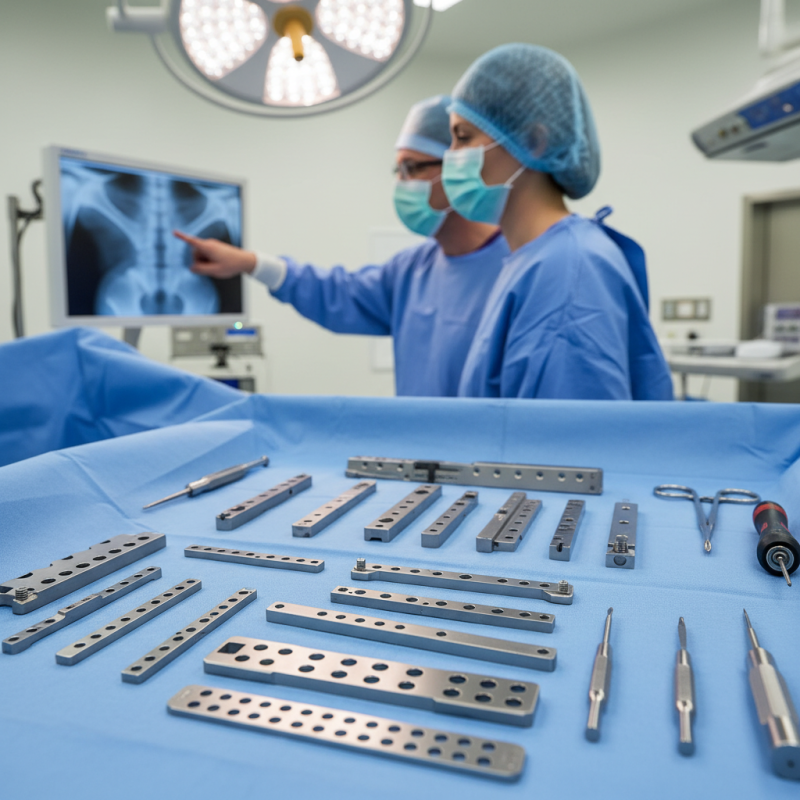
Bone plates are vital in orthopedic surgery. They provide internal stability to fractured bones. Understanding the types of bone plates is crucial for effective treatment. There are several types, including dynamic compression plates, locking plates, and reconstruction plates. Each has distinct applications based on the fracture type and location.

Dynamic compression plates are used for stable fractures. They offer good compression and stability. Locking plates provide advanced fixation for complex fractures. They work well in osteoporotic bones. Reconstruction plates are flexible, used for applications like bone deformities. Selecting the right plate is essential and can be challenging.

Surgeons must assess the fracture characteristics before choosing a bone plate. They should consider the patient's age and bone quality. It’s not always straightforward. The choice can affect healing patterns significantly. Continuous learning and adaptation in techniques are necessary. In some cases, plates may even fail due to inadequate fixation. Reflecting on past cases can help improve future decisions.

How to Choose the Best Bone Plates for Your Needs?

Type of Bone Plate Material Indications Advantages Limitations
Dynamic Compression Plate Stainless Steel or Titanium Fractures, Osteotomies Allows for compression at the fracture site May require precise positioning
Locking Plate Titanium or Stainless Steel Complex fractures Stable fixation, adaptable to various angles Higher cost compared to standard plates
Neutralization Plate Stainless Steel Fractures with existing hardware Provides support to existing fractures May not provide enough stability on its own
Tension Band Plate Stainless Steel Avulsion fractures Effective for tension-type fractures Limited use in compressive loads
Reconstruction Plate Titanium Bone deformities, non-unions Highly versatile for diverse surgical needs Complex to use, requires expertise

Key Factors to Consider When Selecting Bone Plates for Fracture Repair

How to Choose the Best Bone Plates for Your Needs?

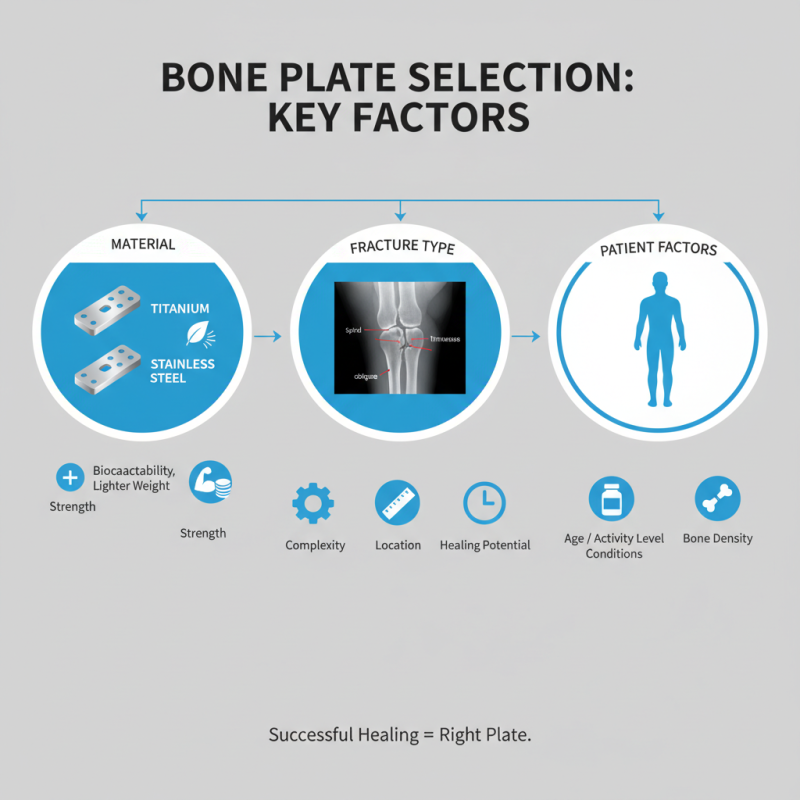
Selecting the right bone plates for fracture repair is essential for successful healing. Several key factors need consideration when making this decision. Start with the material. Bone plates can be made from stainless steel or titanium. Titanium offers a lighter weight and better biocompatibility. However, stainless steel is often more affordable and strong.

Size and shape are also critical. The plate must align perfectly with the fractured bone. An improper fit can lead to complications. Consider the type of fracture as well. Complex fractures may require specialized plates to ensure stability. Surgeons often need to balance between plate rigidity and flexibility during the healing process.

Another factor is the surgical technique to be employed. Some techniques may favor certain plate designs. Collaborating closely with healthcare professionals can provide valuable insights. This partnership can enhance the chances of optimal healing. Reflect on the disadvantages as well. Each plate may pose risks like infection or improper healing. Being aware of these factors can empower patients and caregivers to make informed choices.

Material Composition of Bone Plates: Biocompatibility and Mechanical Strength

When selecting bone plates, understanding their material composition is crucial. Biocompatibility ensures that the implant will not elicit a negative response from the body. Materials like titanium and stainless steel are commonly used due to their excellent biocompatibility. According to a study published in the Journal of Biomedical Materials Research, titanium has a tensile strength of around 950 MPa, making it reliable for structural support in load-bearing applications.

Mechanical strength is another key factor. Bone plates must withstand various forces during healing. The right balance between rigidity and flexibility can promote better healing. The International Orthopaedic Journal found that plates with too much rigidity can impede bone growth. On the other hand, overly flexible plates can lead to complications during recovery.

Tips: Always consult with a medical professional regarding material options. Investigate how different materials behave under stress. Monitoring the patient's response will provide valuable insights into performance. Engaging in thorough research and discussions can foster better choices in implant selection.

Evaluating Plate Design: Anatomical Contours and Fixation Methods

How to Choose the Best Bone Plates for Your Needs?

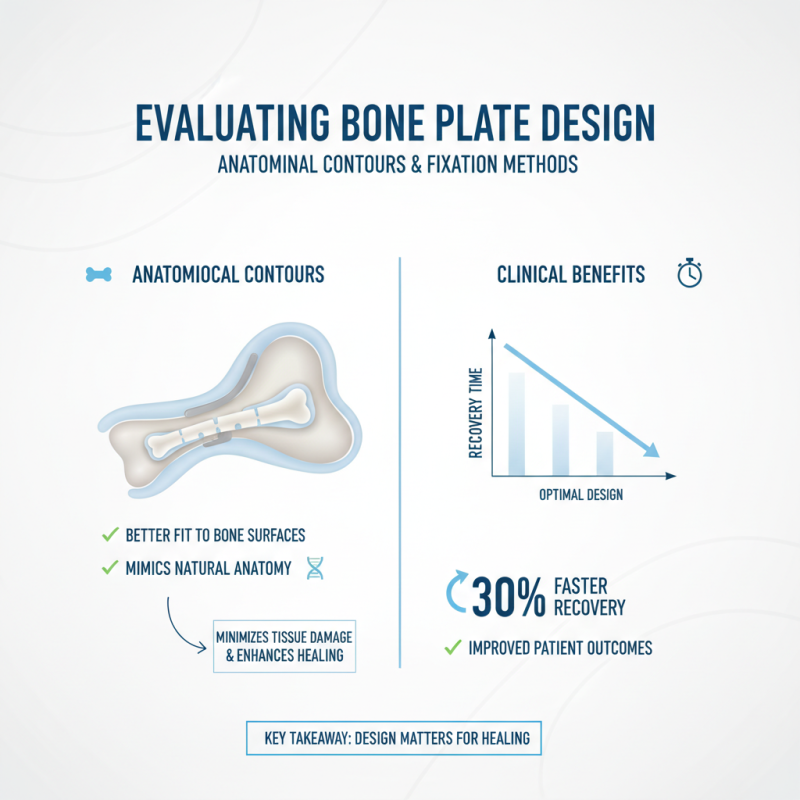
When considering bone plates, evaluating plate design is crucial. Anatomical contours promote a better fit to bone surfaces. Plates with optimal design mimic natural anatomy. They minimize tissue damage and enhance healing. Historical data indicates that properly contoured plates can reduce recovery time by as much as 30%. This is significant for patient outcomes.

Fixation methods also impact effectiveness. Various techniques exist, including locking and non-locking mechanisms. Locking plates provide more stable fixation. They secure screws in place, reducing movement. Studies show that locking plates can increase construct stability by approximately 20% compared to non-locking systems.

However, challenges persist. Not all anatomical features are uniform across patients. This variability makes it difficult to choose the perfect plate. Surgeons may need to rely heavily on their judgment and experience. Ensuring an appropriate fit remains a complex task. There is also ongoing debate about the optimal screw positioning for different bone types. It’s a nuanced topic requiring much reflection. Each case demands careful assessment and adjustment.

Clinical Outcomes: Comparing Success Rates of Different Bone Plate Options

When choosing bone plates, it's essential to look at clinical outcomes. Different types of bone plates have varied success rates. Studies show that certain materials and designs offer better healing rates. Stainless steel plates tend to have higher success rates but can also lead to complications. This is a critical consideration for any surgical setting.

Tips for selecting bone plates: Pay attention to the material. Titanium plates, for example, are known for their lightweight and biocompatibility. Always discuss options with a qualified professional who can guide you based on specific needs. Also, consider the plate’s design. Some plates may fit certain fractures better than others.

Understanding the long-term outcomes is vital. Not every plate type is suitable for every fracture. Reflection on previous surgeries can help refine decisions. Always seek information from reputable sources and clinical studies to make informed choices. Observing the experiences of others can illuminate potential issues, leading to better outcomes.

Clinical Outcomes: Success Rates of Different Bone Plate Options

Back to Top
Product has been added to your cart