10 Best Tips for Managing Orthopedic Trauma Effectively
Orthopedic trauma is a pressing concern that affects millions globally each year. According to the World Health Organization, around 1.5 million people suffer from disabling injuries annually. Effective management of such trauma is crucial for patient outcomes. Dr. Robert Jones, a leading orthopedic trauma expert, states, “Timely intervention can significantly reduce complications and improve recovery.”
Injuries from falls, accidents, and sports are common causes. These situations demand a carefully structured approach to treatment. Challenges often arise from delayed diagnoses and lack of coordinated care, leading to suboptimal recovery. To combat these issues, focusing on best practices in orthopedic trauma management is essential.
The stakes are high. Complications can lead to prolonged recovery times and additional surgeries. A study published in the Journal of Orthopedic Trauma emphasizes the importance of an interdisciplinary approach for optimal results. Thus, understanding and implementing effective strategies is vital. Issues should be acknowledged, and improvements pursued diligently. This guide offers actionable tips for more effective orthopedic trauma management.

Understanding Orthopedic Trauma: Definitions and Types
Orthopedic trauma refers to injuries affecting the musculoskeletal system. This includes bones, joints, and soft tissues. Common types include fractures, dislocations, and ligament tears. Fractures may result from falls, sports, or accidents. Dislocations often occur in the shoulder or knee, causing visible deformity and severe pain. Understanding these injuries helps in effective management and treatment.
Identifying the type of orthopedic trauma is crucial. Each type requires a different approach for management. For example, an open fracture needs immediate medical care to prevent infection. In contrast, a sprain might be treated with rest and ice. Patients often underestimate recovery time. A fracture may take weeks or months to heal fully. Therefore, clear expectations should be communicated to patients.
The complexity of orthopedic trauma management can lead to mistakes. Misdiagnosis or inadequate treatment can significantly delay recovery. Health professionals must stay updated on treatment protocols. Collaboration among specialists often leads to better outcomes. Engaging in continued education helps build expertise in this field. Practitioners must reflect on past cases for improvement. Learning from experience shapes future practice.
10 Best Tips for Managing Orthopedic Trauma Effectively
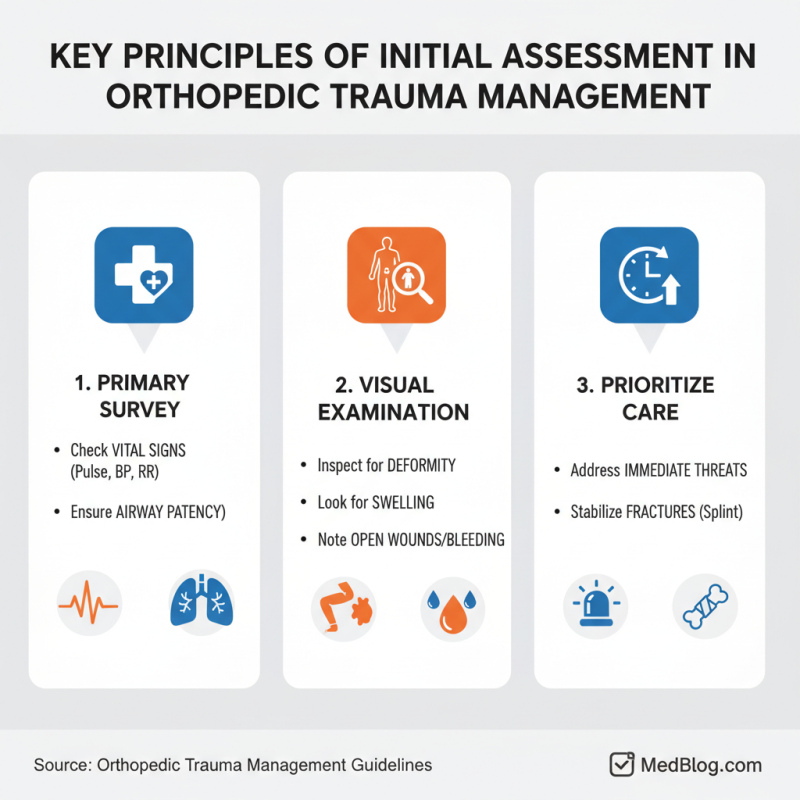
Key Principles of Initial Assessment in Orthopedic Trauma Management
In orthopedic trauma management, an effective initial assessment is crucial. This process starts with a thorough examination of the patient's condition. Begin by checking vital signs and ensuring airway patency. This information helps prioritize immediate care needs. Look for visible signs of injury, such as swelling or deformity in the limbs.
Next, assess the patient's range of motion and pain levels. Document any restrictions in movement, as this will guide treatment decisions. Using clear, precise language while noting these findings is essential. It promotes effective communication among healthcare providers. However, errors can occur in documenting the assessment, which may lead to misunderstandings. Regular team training can minimize such risks.
Another critical component is patient history. Understand the incident that led to the trauma. Gathering details about pre-existing conditions is vital. It influences treatment outcomes. Sometimes, patients may not recall specific details due to shock or trauma. In these cases, relying on bystanders or first responders may be necessary, but it introduces variability. This reinforces the need for cross-checking information. Maintaining a systematic approach ensures that no critical element is overlooked during the assessment phase.
Implementing Evidence-Based Protocols for Effective Treatment
Implementing evidence-based protocols in the management of orthopedic trauma is crucial for effective treatment. These protocols are grounded in rigorous research and clinical best practices. They guide healthcare professionals in making informed decisions. This approach not only enhances patient outcomes but also streamlines the treatment process.
For instance, early mobilization is a key component of evidence-based practice. It helps prevent complications such as deep vein thrombosis and muscle atrophy. Yet, many practitioners hesitate to apply this concept due to fear of exacerbating injuries. Finding the right balance in early mobilization can be a challenge. It requires constant assessment and adjustment based on individual patient needs.
Moreover, the integration of multidisciplinary teams often leads to better results. Each member brings unique expertise. Communication is essential for coordinating care plans effectively. However, in busy settings, miscommunication can occur, affecting patient care. Regular team meetings can help mitigate these risks. Despite the challenges, continuing to refine these evidence-based protocols is vital. It enhances reliability and consistency in treatment approaches.
Utilizing Advanced Imaging Techniques in Diagnosis and Management
Advanced imaging techniques play a crucial role in managing orthopedic trauma. They enhance the accuracy of diagnoses. These techniques include MRI, CT scans, and ultrasound. Each method provides unique insights into soft and hard tissues. Accurate imaging ensures that fractures, ligament tears, and soft tissue damage are not overlooked.
In trauma cases, rapid decision-making is essential. Advanced imaging allows for quicker assessments. This efficiency can significantly impact treatment outcomes. For example, MRI can reveal hidden injuries that X-rays might miss. However, reliance on these technologies needs careful consideration. Images can sometimes be misinterpreted. It’s vital to integrate clinical judgment with imaging results.
Continuous training is crucial for medical professionals. Staying updated on imaging advancements can improve care quality. Regularly reviewing cases and discussing errors can lead to better understanding. Emphasizing the importance of imaging does not negate the value of thorough physical examinations. Balancing both is key to effective trauma management.
Collaborative Multidisciplinary Approach in Orthopedic Trauma Care
Collaborative multidisciplinary approaches in orthopedic trauma care have proven essential for effective treatment outcomes. Research shows that integrated teams enhance communication among healthcare providers, which significantly reduces the risk of complications. For instance, a study published in the Journal of Orthopedic Trauma indicated that a team-based approach improved patient recovery times by 30%. This type of collaboration can include orthopedic surgeons, physical therapists, and trauma nurses all working closely.
In managing complex orthopedic trauma cases, it's crucial to recognize the different perspectives provided by each discipline. A lack of communication can lead to misdiagnoses or improper treatment plans. Data from the World Health Organization highlights that such collaborative efforts can lower surgical site infections by as much as 25%. However, some barriers remain. Not all teams are equipped for effective collaboration, and silos can impede comprehensive care.
Furthermore, ongoing reflection within teams can reveal gaps in knowledge and skills. Regular debriefings can foster an environment where feedback is encouraged and used to improve practices. This continuous learning is vital in addressing the rapidly changing landscape of orthopedic trauma care. Keeping abreast of advancements ensures that patient care remains at the forefront, highlighting the importance of teamwork in achieving optimal outcomes.